
Food Additives to Avoid: A Practical 2026 Shopper's List
A careful, research-backed list of food additives worth knowing about — from artificial colors linked to ADHD symptoms to preservatives studied in cancer research — and how to spot them on a label.
How to think about food additives
Not every food additive is a problem. Vitamin C (ascorbic acid), citric acid, lecithin, and many others are well-studied and broadly safe. The additives below are the smaller group worth knowing about — not because a single serving is dangerous, but because cumulative exposure across many products is worth a second look.
The goal here is information, not fear. Snackwise's job is to help you make small, informed swaps — not to convince you that food is the enemy.
Additives commonly flagged in research
Artificial colors (Red 40, Yellow 5, Yellow 6, Blue 1)
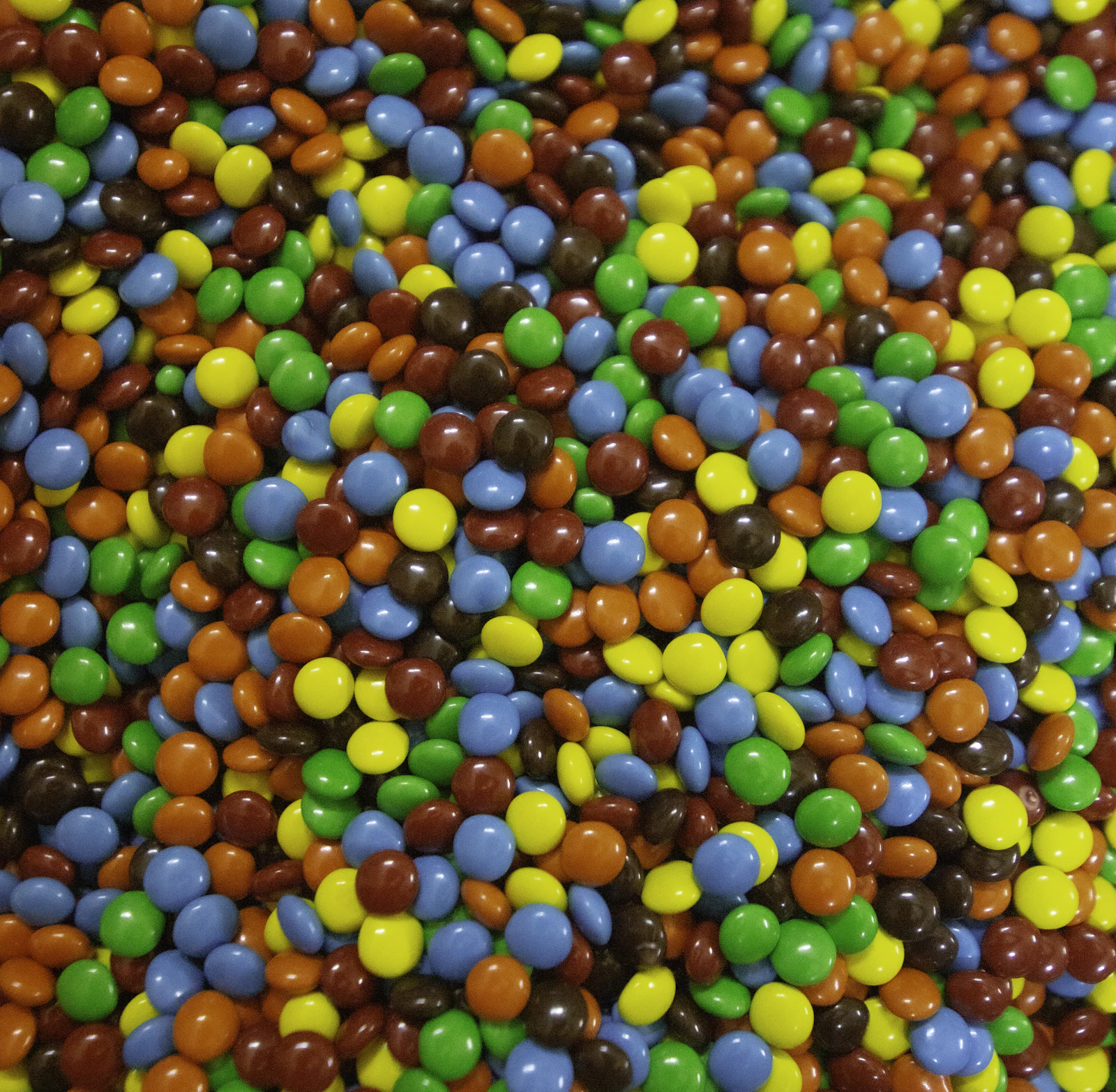
Multiple published studies, including the well-known Southampton study, have linked artificial food dyes to hyperactivity and attention symptoms in some children. The EU requires a warning label on products containing these dyes. The US does not. Common in candy, cereal, sports drinks, mac and cheese, and children's medicine.
Sodium nitrite and nitrate
Used to cure processed meats (bacon, deli ham, hot dogs, salami). The World Health Organization classifies processed meat as a Group 1 carcinogen, with sodium nitrite as a major mechanism. Moderation matters more than perfection here.
High-fructose corn syrup (HFCS)
Not uniquely toxic compared to regular sugar, but it's a strong signal of an ultra-processed product and is associated with the same metabolic risks as high added-sugar intake overall. See our ultra-processed food guide.
Artificial sweeteners (aspartame, sucralose, acesulfame-K)
Aspartame was reclassified in 2023 by the IARC as 'possibly carcinogenic to humans.' Sucralose has emerging research on gut-microbiome disruption. None of these are acutely dangerous, but daily use of diet sodas and 'sugar-free' snacks is worth being thoughtful about.
Emulsifiers (polysorbate 80, carrageenan, carboxymethylcellulose)
A growing body of research links some emulsifiers to changes in the gut microbiome and low-grade intestinal inflammation. Common in ice cream, non-dairy milks, dressings, and protein shakes.
Synthetic preservatives (BHA, BHT, TBHQ)
Restricted in Europe and studied in connection with cancer (mostly in animal models) and hormone effects. Common in cereals, snack mixes, and shelf-stable baked goods. Full breakdown in our BHA and BHT explainer.
Refined seed oils
Not an additive in the strict sense, but a strong marker of an ultra-processed product. See our complete seed oils list.
How to read a label for these ingredients
Ingredient lists are ordered by weight, so the first 3–5 ingredients tell most of the story. If a flagged additive is in the first few, it's a significant part of the product. If it's near the end, exposure is much smaller.
Our quick guide on how to read a food label in 30 seconds walks through the three checks that catch most of these.
How Snackwise helps you avoid them
Snackwise is more than a calorie or macro tracker. Scan any barcode and we automatically flag every additive on the lists above, plain-English the research behind each one, and — where relevant — link to studies tied to concerns like ADHD-related symptoms, hormone disruption, or cancer risk. The goal is to put the information in your hand at the moment you're deciding what to buy, not to scare you out of the grocery store.
Frequently asked questions
- Which food additives are actually dangerous?
- 'Dangerous' depends on dose and frequency. The additives with the strongest published concerns are sodium nitrite in processed meat (cancer), artificial food dyes in children's products (behavioral effects, including ADHD-related symptoms), and synthetic preservatives like BHA and BHT (animal cancer data). Snackwise flags all of these when you scan a product.
- Are artificial colors linked to ADHD?
- There is published research, including the Southampton study, linking artificial food dyes to hyperactivity and attention symptoms in some children. The EU requires a warning label on products containing certain artificial colors. The US does not.
- Is high-fructose corn syrup worse than regular sugar?
- Metabolically, the research suggests HFCS and regular added sugar behave similarly at similar doses. The bigger story is that HFCS is almost always a marker of an ultra-processed product, and ultra-processed diets are linked to weight gain and metabolic disease.
- Is there an app that flags all of these for me?
- Yes — Snackwise scans the barcode, surfaces every flagged additive on this list, and explains the research behind each one in plain English. Free on iPhone and Android.
Scan your pantry with Snackwise
More than a calorie or macro tracker. Snackwise scans food labels to flag seed oils, additives, and ingredients with research worth knowing about — free on iPhone & Android.
Get Snackwise

